
 Photoshop
 Maya
Maya ZBrush
 Houdini
 Substance Painter
 Blender
 Unreal Engine
 Arnold
 Nuke
Nuke KeyShot
 V-Ray
V-Ray Mari
Mari Marvelous Designer
 Marmoset Toolbag
 Substance Designer
 3ds Max
 3DCoat
 Redshift
 Faceform Wrap
 Lightroom
 After Effects
 OctaneRender
 SpeedTree
 Daz 3D
 Agisoft Metashape
 Fusion
 Modo
Modo RealityCapture
 Gaea
Gaea Cinema 4D
 Gravity Sketch
 Premiere
 Procreate
 Clip Studio Paint
 SketchUp
 SketchBook
 Katana
 Natron
 Mudbox
 Quixel Bridge
 Quixel Megascans
 Quixel Mixer
 Substance 3D Modeler
 World Creator
 Yeti
Yeti Ziva VFX
 Mixamo
 Adobe Medium
 Quixel DDO
 xNormal
 Meshmixer
 Storyboard Pro
 DaVinci Resolve
 TreeIt
 World Machine
 Gaffer
 Corel Painter
 SynthEyes
 Krita
Krita Massive
 Materialize
 Unity
Unity Ornatrix
 PreForm
 Moi 3D
 animBot
 QuickTime
 ReCap
ReCap
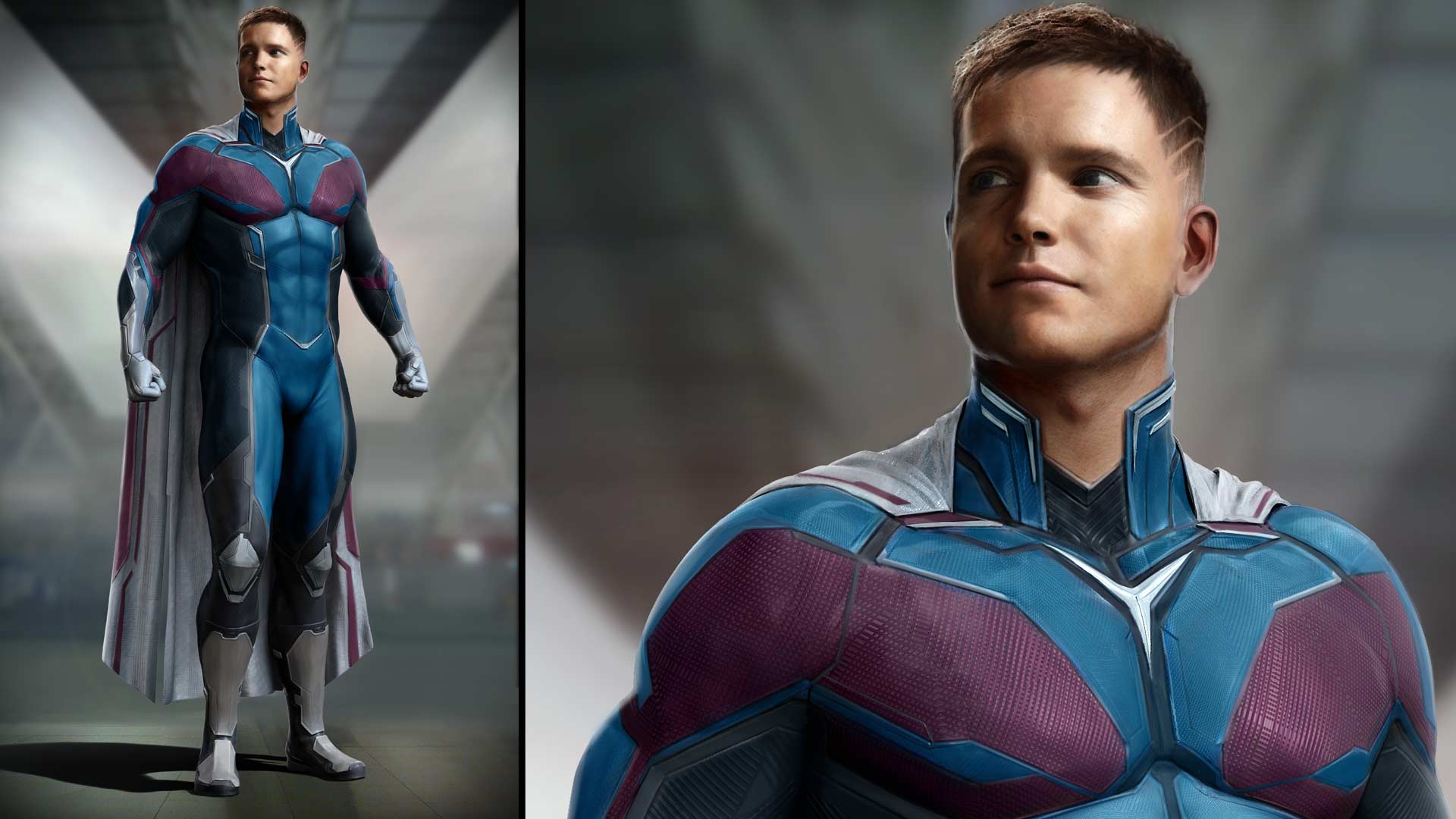
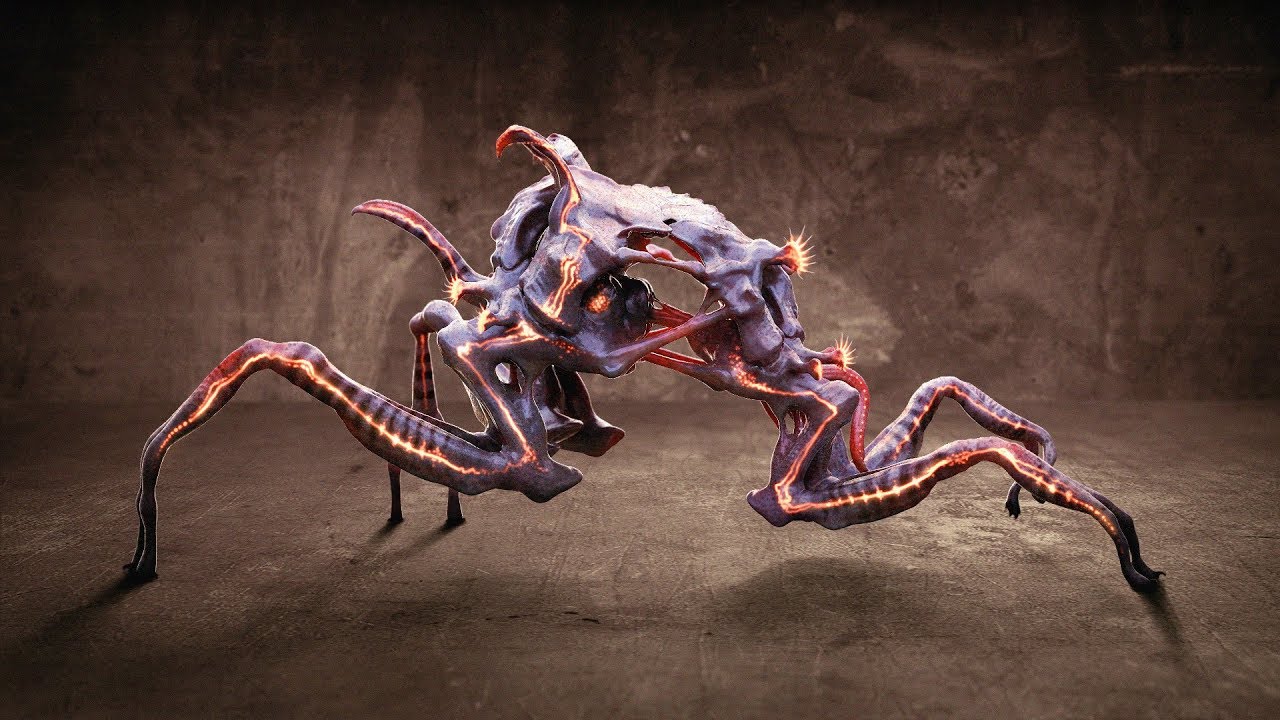
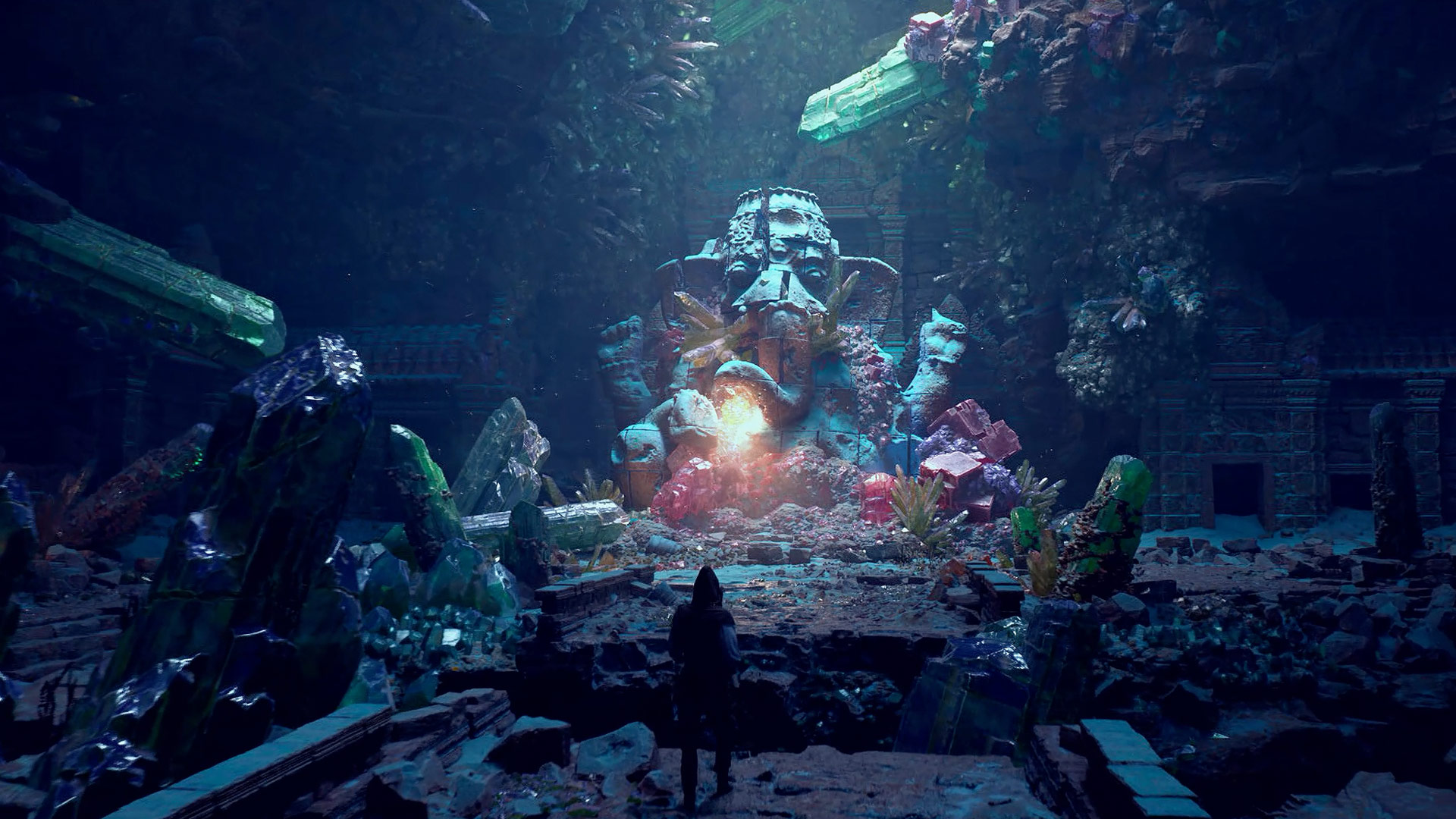
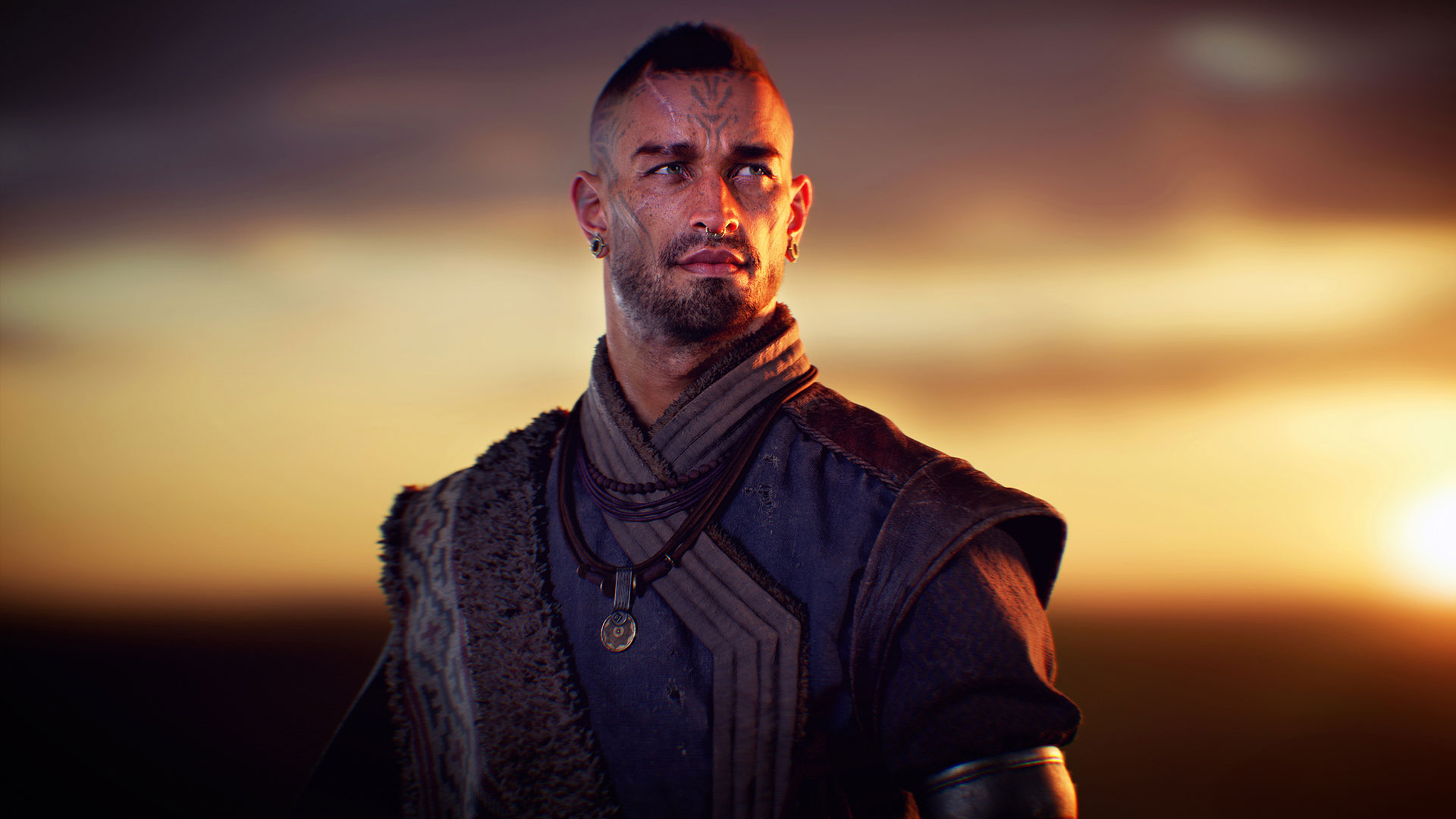










The ability to craft quick-yet-photorealistic keyframe illustrations for films relies on not just your technique, but also on making the important decisions that will speed up workflow. In this 2.75-hour workshop, Concept Artist Jama Jurabaev — whose credits include Ready Player One, Jurassic World: Fallen Kingdom and Star Wars — shares the tools and processes he uses during his daily workflow when creating keyframe illustrations for films and games with a focus on the theory behind the practice.
Jama kicks off the workshop by detailing the essential research and reference-gathering phase that goes into the start of a project. Creating several photorealistic and stylized cinematic keyframes with a medieval theme, Jama thoughtfully explains all the important reasons behind every choice made and each process taken so that you can apply the same principles to your own workflow — whatever tools you may use. Sketching out ideas in 2D and sharing how time restrictions can help visually communicate the main ideas and scenes, Jama reveals the key to time efficiency in the film industry and also reveals how Blender can be used to quickly model 3D assets for scene building, as well as the value of a well prepared asset library. In the penultimate stage, he jumps into OctaneRender Standalone to render out the scene before finally landing in Photoshop where the final paint-over work is tackled and perfected.
10 Lessons
Jama Jurabaev introduces his workshop, which takes a principle-first approach to concept art education, recognizing that, while technology and tools constantly evolve, fundamental artistic principles remain constant. By focusing on workflow reasoning and decision-making processes rather than specific software tutorials, he provides timeless value that artists can apply regardless of their chosen tools, ultimately helping them work more efficiently and effectively in the competitive film and gaming industries.
Duration: 1m 53s

Research is the foundational first step that makes concept art believable and authentic. By going directly to historical sources, whether physical locations, museums, old paintings, or specialized books, artists can develop a deeper understanding that will elevate their work. Jama explains why investment in thorough research, even if brief, pays dividends by grounding imaginative worlds in real-world details and historical accuracy that viewers can sense and appreciate.
Duration: 7m 41s

Jama explains why creative efficiency comes from disciplined focus rather than raw speed. By using simple tools, eliminating distractions, and imposing time constraints, artists can make better decisions about where to invest their effort. Jama's timer technique specifically trains better judgment about what's essential versus what's merely decorative, helping artists avoid the common trap of overworking insignificant details at the expense of developing strong core ideas.
Duration: 3m 36s

Jama teaches that effective concept sketching requires self-imposed constraints that force efficiency and focus on storytelling essentials rather than technical perfection. By limiting time and using the simplest appropriate tools, whether line drawing or shape blocking, artists can learn how to rapidly explore multiple ideas and compositions without getting bogged down in details. His timer method isn't about speed but about training the brain to prioritize what makes an image work: composition, arrangement, and the story being told.
Duration: 10m 46s

Jama's workflow emphasizes efficiency and creative exploration in the early stages of any project. By using simple tools, setting time constraints, and keeping initial sketches loose, artists can learn how to quickly generate multiple creative directions without investing excessive time. His approach teaches how to preserve creative flexibility and allow imagination to guide the process before committing to time-intensive 3D work and detailed rendering.
Duration: 4m 29s

Jama explains his core philosophy: that concept artists should prioritize creative efficiency over technical perfection when working in 3D. By adopting tools and workflows that minimize technical complexity and mirror natural drawing processes, artists can learn how to focus on storytelling and design rather than becoming bogged down in traditional 3D modeling techniques. Learning 3D software such as Blender has become essential for concept artists in film; however, the approach should emphasize speed, intuition, and how to maintain a creative mindset throughout the process.
Duration: 13m 8s

Jama teaches how to separate creative ideation from technical execution in the concept art workflow. By front-loading research and sketching, the 3D-blocking phase becomes a more efficient technical process rather than a simultaneous problem-solving approach. He advocates for "working dirty" with simple tools, maintaining human-scale reference, and using focused time management to produce inspiring concept art that serves its purpose: communicating ideas to production teams rather than creating perfect 3D models.
Duration: 13m 9s

In this lesson, Jama explains why efficiency in professional 3D work comes from strategic use of asset libraries rather than creating everything from scratch. By investing time in building comprehensive asset collections and using pre-made elements when possible, artists can learn how to focus their creative energy on storytelling, composition, and the unique aspects that truly define their vision, ultimately delivering high-quality results within realistic timeframes.
Duration: 8m 7s

This lesson establishes that tools should serve creativity, not hinder it. By strategically choosing efficient workflows (using standalone rendering software, leveraging pre-made assets, and knowing when to stop 3D work in favor of 2D paint-overs), artists can learn how to maintain creative momentum throughout a project. Jama explains why understanding that the final image matters most — not the specific methodology used to create it — and that strong fundamentals combined with smart tool selection can enable artists to work on diverse projects, from medieval to sci-fi settings.
Duration: 14m 49s

This final lesson shows how time-efficient concept art relies on working from large to small details at every stage while maintaining focus on storytelling over technical perfection. By strategically combining 3D rendering with traditional painting techniques, deliberately simplifying for stylistic effect, and staying disciplined with layer management, artists can learn how to create impactful cinematic imagery without getting bogged down in unnecessary detail. Jama explains why the key is to constantly ask "What serves the story?"
Duration: 27m 45s

Primary tools
For this workshop you’ll need:


* Note that these programs and materials will not be supplied with the course.
Skills Covered
Who’s this Workshop for?
This workshop is designed for artists aiming to create cinematic keyframe illustrations that balance speed, realism, and clear visual storytelling. It is ideal for intermediate to advanced concept artists and digital illustrators with a foundation in image-making, looking to improve decision-making under production-style time constraints. Artists working in film, games, or visual development will find Jama Jurabaev's focus on efficiency and clarity especially valuable.
Artists seeking professional concept art roles will benefit from the emphasis on research, prioritization, and tool-agnostic workflows. The approach enables quick communication of mood, narrative, and scale while maintaining a high level of visual credibility.
Learning Outcomes
On finishing this workshop, artists will have mastered the essential techniques and decision-making processes required to create compelling, photorealistic keyframe illustrations efficiently.
Key skills include:
- How to conduct effective research and reference gathering for film and game projects.
- How to make strategic workflow decisions that prioritize speed without sacrificing visual quality.
- How to create both photorealistic and stylized cinematic keyframes using professional techniques.
- How to utilize time restrictions as a tool for clear visual communication.
- How to integrate Blender 3D modeling into concept art workflows for rapid scene building.
- How to build and maintain comprehensive asset libraries for increased production efficiency.
- How to execute professional paint-over techniques in Photoshop for final keyframe refinement.


